
Tag Archives: sleep
Make Your Calming Bedroom for Staying Home
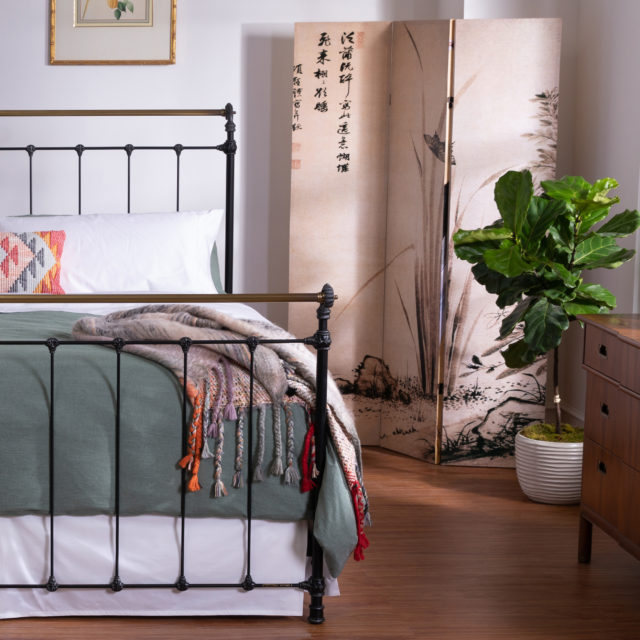
Your bedroom should always be your sanctuary. But now more than ever, it’s important to carve out a comforting, beautiful space in your home for rest. Your bedroom should be an expression of you, and the place you feel most comfortable. We have some tips to turn your bedroom into a calming space, most of which can be done with what you already have.
Start with a good base
The most important thing in your bedroom is – you guessed it – the bed! Make sure your bed is to your style and liking-you should love it and be drawn to it when you walk in the room. Your mattress should also be comfortable and inviting to you. If you’re uncomfortable in your bed, your bedroom will become a source of frustration rather than rest.
Do a Deep Clean and Declutter
Declutter all of your surfaces for a more calming atmosphere. Make sure your nightstand doesn’t have too much on it. Even just a dusting and vacuum can make you feel more comfortable in your space. If you can, try to not have work related things in the bedroom. If your desk is in your bedroom, at least keep your work away from your bed.
Fill Your Walls With Something Meaningful
Now is a great time to take stock of your wall art. Are colors clashing, detracting from a calming atmosphere? If you’re stuck at home, it can be fun to rearrange your wall art from another room for something new. Move meaningful things to the bedroom that make you feel calm and at home.
Add Cozy Textiles
Another opportunity to hack your own home is in your textiles. Move that ultra soft blanket from the living room to your bedroom. Bring in anything that makes you feel like your bedroom is a sanctuary.
Add Some Plants
While most of us are housebound, it’s important to bring the outdoors in. Transfer some of your plants to your bedroom, or pot some new ones, to breathe better at night and foster a calming environment.
Pay Attention to Your Senses
Make sure the light levels are low when you’re trying to sleep-make sure there’s no displays glowing or light coming in from outside. Play some calming music, or turn on ocean sounds to sleep to. Pick a comforting signature scent for your room-try things like lavender or vanilla.

Beat Insomnia with These Herbs
Post by Tracy Kaler.
Counting sheep again? Insomnia plagues millions of Americans, so know that when you’re wide awake and staring at the ceiling at 2 a.m., you are not alone. If lack of sleep due to stress (and not because of a medical issue) is affecting your sleep, consider going the natural route. For some, herbs can provide enough relaxation to catch up on missed beauty sleep. Here are nine to try.
For years, Passionflower has been used to treat anxiety and sleep irregularities. The herb contains Flavanoids, which help relax nerves, making it one of the top choices to treat insomnia. Available in tea, capsules, or tincture.
Valerian root has long been used to remedy sleep disorders and is considered safe in small doses. You can find valerian at your neighborhood health food store, and some drug stores sell the herb too. You can tell valerian by its putrid odor.
Most often used in combination with valerian, hops has a sedative effect, and that could be all your body needs to fall asleep.

Even the scent of lavender is enough to relieve sleeplessness for some insomniacs. Try a lavender tea, massage essential oil into your skin, or add it to your bath water.

California Poppy is a natural sedative. This sleep-promoting herb will ease your mind until you drift off into dreamland.

While chamomile might not be potent enough to address chronic cases of insomnia, it does have a mild tranquilizing effect for those occasional sleepless nights.
Have you had any luck with herbs for insomnia?
Sleep Habits from Around the World
Post by Tracy Kaler.
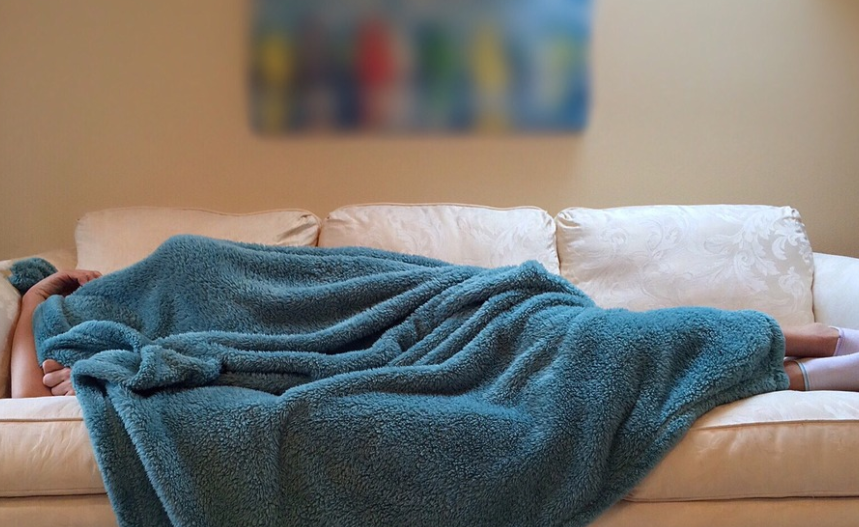
It may come as a surprise, but different cultures possess different sleep habits. Spend any time in other countries, and you’ll soon figure out that although everybody sleeps, we differ in our sleep habits and patterns.
In FRANCE, people sleep an average of 8.8 hours per night. Studies show that more sleep contributes to healthier, happier, and even thinner people, which might explain why the French spend so much time at the table eating but tend to be thinner than those in some other countries. Eating fresh food and skipping fast and processed food might also have something to do with that theory.
Folks in MEXICO like to keep their bedrooms tidy – 82% make their bed every morning, more than any other country in the study. And in the UK, one third of all Brits tend to sleep in the nude, which helps regulate body temperature.
According to the sleep tracking app,
Many Mediterranean countries take siestas or midday naps, but even in SPAIN, that tradition isn’t as common as it once was.

A lot parents and babies around the world do sleep together. In fact, in some cultures, it’s unheard of to allow babies to sleep alone, so cosleeping is expected. Eventually, young children are weaned to sleep in their own beds.
Unfortunately for SINGAPORE and JAPAN, sleep deprivation is on the rise. In JAPAN however, SIDS and infant mortality rates are incredibly low, which might be attributed to the acceptance of cosleeping (children sharing a bed with parents). In the US, cosleeping is not as socially accepted as it is in some other countries.
Generally, few of us in the world are getting enough sleep on most days of the week. It turns out, though, that Sundays are the happiest mornings because most countries wake up feeling refreshed and in a great mood. At least we have that much in common.
5 Bedtime Beverages to Help You Get a Good Night’s Sleep
Post by Tracy Kaler.
Having trouble sleeping again? You’re not alone. Per the National Institutes of Health, about 30 percent of people have sleep issues, including some degree of insomnia. Not only does the amount and quality of sleep affect your mood and productivity, but a lack of sleep is downright dangerous for your health, especially if you’re sleep deprived for weeks or months.
While there are plenty of natural remedies that can help you get to sleep and stay asleep, you need to find one that works for you. The next time you’re wide awake at midnight, try one of these bedtime beverages.

Cherry Juice
It’s not an old wives’ tale that tart cherry juice can help you sleep better. As a matter of fact, drinking two 8-ounce servings daily (one in the morning and one in the evening) reduces the likelihood of insomnia because cherries are an excellent source of melatonin, the hormone that helps regulate circadian rhythm.
Sleepytime Tea from Celestial Seasonings
This herbal tea’s name says it all. A blend of chamomile, spearmint, lemongrass, and orange blossoms will surely have you snoozing like a baby.
Warm milk
Because it’s high in the amino acid, Tryptophan (known to promote restful sleep), sipping a glass of warm milk about two hours before bedtime should make drifting off a no-brainer. Add a teaspoon of honey for flavor.
Coconut water
Because it contains potassium and magnesium, this energy drink will help your muscles relax, which in turn, will help you relax.
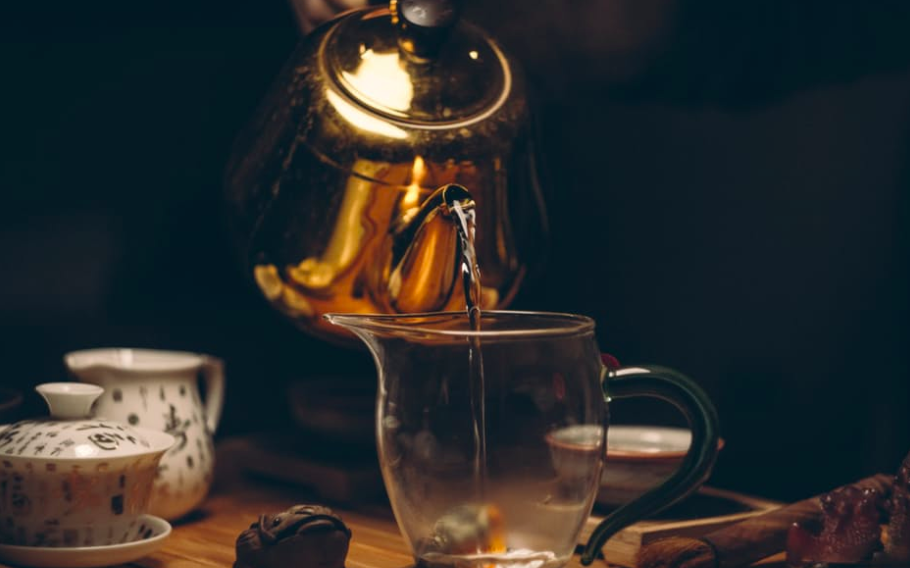
Valerian tea
Valerian is a herb that’s commonly used to treat sleep disorders. Doctors often recommend Get Some Zzz’s from the Republic of Tea. Brew yourself a cup about an hour before you hit the hay.
Tips and Tricks: What to Do When You Can’t Sleep
Post by Tracy Kaler.
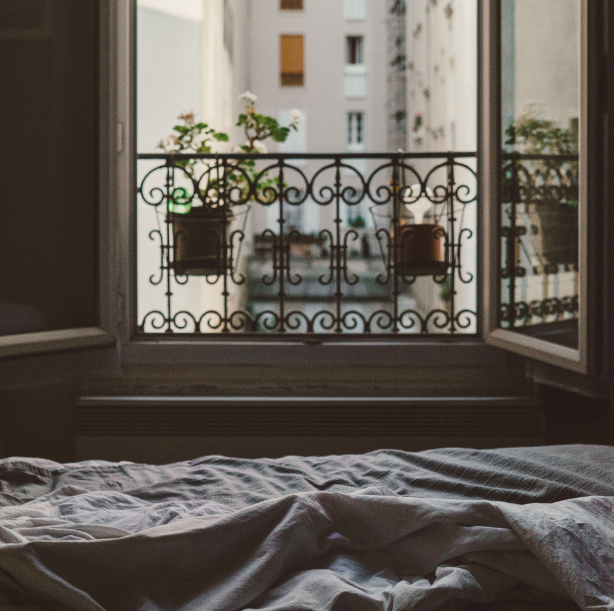
Insomnia. It happens to all of us. We have those nights when no matter what we try, we can’t get to sleep. Tossing. Turning. Stressing. Watching the minutes and hours pass, and nothing. Not even a light snooze. Feeling exhausted and not being able to drift off to sleep can be incredibly frustrating. Here’s what to do when you can’t sleep.
First, if you’ve tried to sleep for 20 or 30 minutes and you find that you’re not even close to dozing off, get out of bed. Staying horizontal will only create more stress, knowing that you can’t drift off.
Once you’re up, find something else to do that relaxes you and takes your mind off sleep. That could be different for everyone. You might like to read, meditate, or do some light stretching or yoga. Or, walking around the house might be therapeutic enough to make you tired.
Even though experts advise not to watch television or get in front of a computer around bedtime, if staring at a screen can cause enough relaxation to put you to sleep, then, by all means do, it. Do whatever works for you.
Still no luck? Try to rub your pulse points with lavender oil. The scent is calming and will help reduce the stress you’re feeling since you’re having trouble getting to sleep.
You could be hungry, or have low blood sugar, which might prevent you from sleeping. Try a light snack. A cup of warm milk, a few almonds or turkey (with tryptophan) could induce sleep.
Most of all, think happy thoughts. If you’re worried about what’s going to happen at work the next day, or you’re thinking about a disagreement you had with a friend earlier, chances are, you won’t get to sleep at all. Try to save the serious business for waking hours. Imagine yourself doing your favorite activity in your favorite place, until you unwind. Then, you should get to sleep in no time.
Sweet dreams!


